
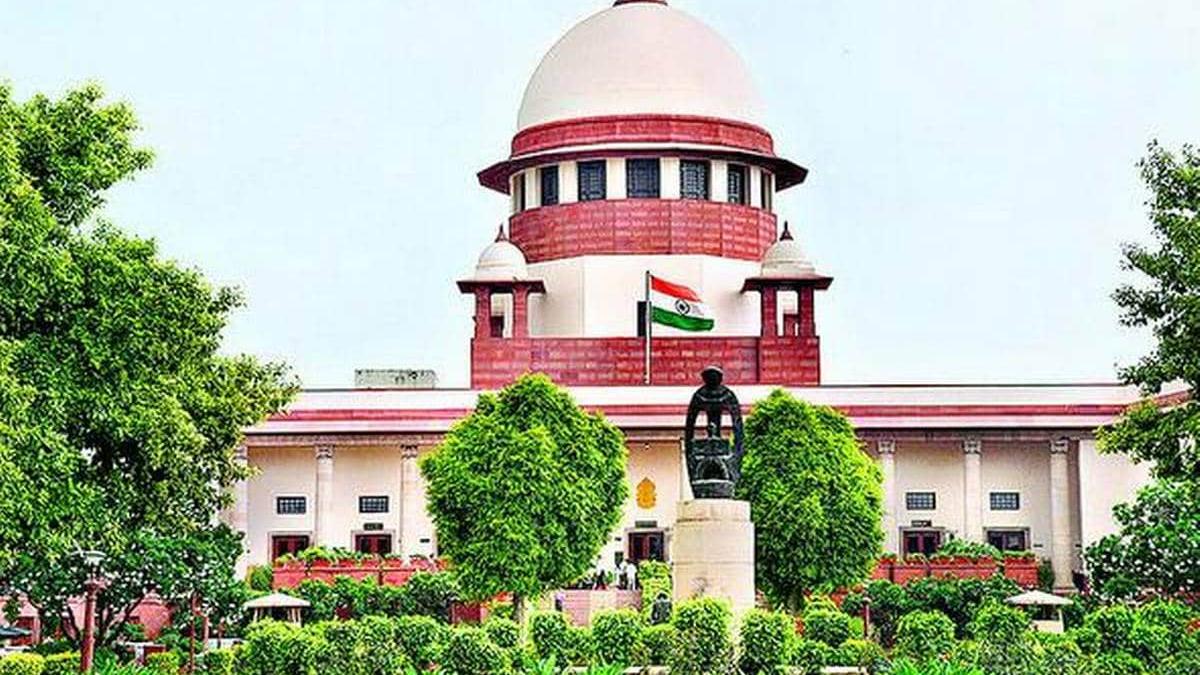
Supreme Court judgments against doctors typically involve cases of medical negligence, malpractice, or violation of patient rights. These judgments set important precedents and guidelines for medical practice and legal standards. Here are a few notable examples:
Indian Medical Association vs V.P. Shantha (1995)
Case Summary: The Supreme Court ruled that medical services fall under the Consumer Protection Act, 1986. This means that patients could seek redress for medical negligence under consumer protection laws.
Impact: This landmark judgment allowed patients to file complaints against medical professionals and hospitals for deficient services, making healthcare providers more accountable.
Jacob Mathew vs State of Punjab (2005)*:
Case Summary: The court established guidelines for prosecuting doctors for criminal negligence. It held that to prosecute a doctor for criminal negligence, there must be evidence of gross negligence or recklessness.
Impact: This judgment provided clarity on the difference between civil and criminal negligence, protecting doctors from frivolous criminal prosecutions while ensuring accountability for gross negligence.
Dr. Suresh Gupta vs Government of NCT of Delhi (2004)*:
Case Summary: The Supreme Court ruled that for a doctor to be held criminally liable for a patient's death due to medical treatment there must be proof of a "high degree of negligence."
Impact: This decision emphasized the need for substantial evidence to prove criminal negligence, thereby offering some protection to doctors against baseless criminal charges.
Kusum Sharma & Ors vs Batra Hospital & Medical Research Centre (2010):
Case Summary: The court set out detailed guidelines for determining medical negligence. These guidelines include considering whether the doctor acted in accordance with accepted practices, whether the patient was given all necessary information, and whether there was a breach of duty that directly caused harm.
Impact: This judgment provided a structured framework for courts to assess claims of medical negligence, ensuring a fair evaluation of such cases.
V. Krishnakumar vs State of Tamil Nadu (2015)*:
Case Summary: The Supreme Court held doctors and hospitals liable for a case where a patient was left in a vegetative state due to a botched surgery, awarding substantial compensation to the patient's family.
Impact: This case highlighted the importance of proper surgical procedures and the duty of care owed to patients, reinforcing accountability in the medical profession. These judgments underscore the importance of maintaining high standards of care in the medical profession and provide a legal framework to address cases of negligence and malpractice. They also balance the need to protect doctors from unfounded allegations while ensuring that genuine cases of negligence are addressed appropriate
copyright © 2024, All rights reserved | Dopex Medico-legal Services